

Wood Chipper Blade Angle Unveiled
I. Basic Understanding of Blade Angle
The blade angle of a wood chipper is like the cutting edge of a kitchen knife—too blunt and it won’t cut; too thin and it will chip. Common blade angles are between 25° and 35°, a range that balances cutting force and durability. Specific selection should consider:
Softwood (Pine, etc.): Recommended 28°-32°
Hardwood (Oak, etc.): Recommended 30°-35°
Mixed Wood: A compromise of around 30°
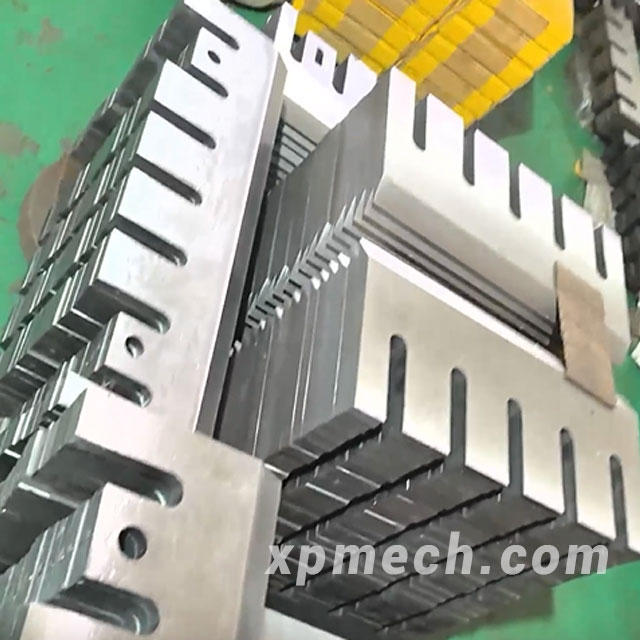
II. Special Design of the Flying Knife Angle
As the core component of rotary cutting, the flying knife’s angle is more crucial than that of the fixed blade:
Front Angle Design: Usually 5°-8° smaller than the fixed blade, enhancing cutting feed force.
Back Angle Optimization: Maintaining an 8°-12° clearance angle to avoid excessive friction with the wood.
Composite Angle: Some models use a double-bevel design to improve the uniformity of wood chips.
III. Practical Tips for Angle Adjustment
Want uniform wood chip size and energy savings? Try these adjustment methods:
In summer when humidity is high: Increase the angle by 2°-3° to reduce blade sticking.
When handling knotty wood: Temporarily increase the back angle by 5° to protect the blade.
Regular inspection: Measure the angle change every 40 hours of work; if wear exceeds 1°, resharpen.
Safety tip: Power must be disconnected before adjustment; use a dedicated angle gauge for measurement.