

Precautions for Using Plastic Shredder Blades
Plastic shredder blades are a core component of plastic recycling and shredding equipment, primarily used to cut and shred waste plastic products into small particles for subsequent recycling and reuse. These blades are typically made of high-hardness, wear-resistant materials such as alloy steel or high-speed steel to ensure they remain sharp and durable even under prolonged heavy-duty operation. The design and manufacture of plastic shredder blades require consideration of multiple factors, including blade shape, material, hardness, wear resistance, and installation method.
The working principle of plastic shredder blades is to cut plastic materials into small particles through the shearing action between high-speed rotating blades and fixed blades. The sharpness and wear resistance of the blades directly affect the shredding effect and the service life of the equipment. Therefore, the blade material and heat treatment process are crucial. Common blade materials include Cr12MoV, SKD-11, and other alloy steels. These materials, after special heat treatment, possess extremely high hardness and wear resistance.
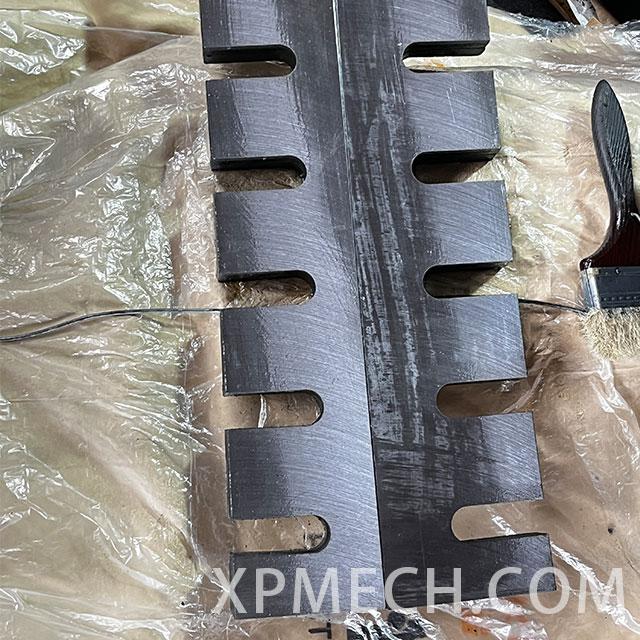
Plastic shredder blades have a wide range of applications, including plastic recycling plants, plastic product manufacturing workshops, and waste plastic processing centers. Different types of plastics (such as PE, PP, PVC, etc.) require different blade designs to suit their physical characteristics and shredding requirements. For example, harder PVC plastics require more wear-resistant blades, while softer PE plastics require sharper blades to improve cutting efficiency.
When choosing plastic shredder blades, the following points should be considered: 1. Whether the blade material and hardness meet the shredding requirements; 2. Whether the blade installation method matches the equipment; 3. The wear resistance and service life of the blades; 4. The maintenance and replacement frequency of the blades. In addition, regular maintenance and upkeep of the blades, such as sharpening and checking for wear, can significantly extend their service life.
Industry standards for plastic shredder blades mainly include ISO 9001 quality management system certification and CE certification, which ensure the quality and safety of the blades. Common blade specifications on the market include disc diameters of 150-850mm, outer diameter of 60mm, and shank diameter of 8cm. Users can choose the appropriate specifications according to their actual needs. When operating plastic crushing machine blades, the following high-risk issues require attention: 1. Loose blade installation can cause blades to fly out during operation, leading to serious accidents; 2. Continuing to use severely worn blades not only affects the crushing effect but can also damage the equipment; 3. Ensure the equipment is completely stopped before performing maintenance or replacing blades to avoid accidental startup and injury.
In short, plastic crushing machine blades are indispensable key components in the plastic recycling and crushing process. Their performance and quality directly affect crushing efficiency and equipment lifespan. Users should fully consider factors such as material, specifications, and maintenance when selecting and using blades to ensure efficient and safe plastic crushing operations.